


SBR制作の旅の記録/Chronicle of the Journey of Creation
通販、貨幣、決闘――映像の細部に宿る1890年のリアル
『スティール・ボール・ラン ジョジョの奇妙な冒険』(以下、『SBR』)スタッフによるリレーインタビューがスタート。第2回は、時代考証を担当した、大阪大学外国語学部非常勤講師の西川秀和さんにインタビューを実施。
後編では、アメリカ史やアメリカ大統領の研究を専門とする西川さんに、「美術やプロップをどこまでリアルに寄せるのか」「当時の社会制度や生活環境について」など、『SBR』の時代背景を掘り下げてもらった。
――背景美術やプロップといったものについても考証されているのでしょうか?
西川:そうですね。まず、シナリオはすべて目を通し、絵コンテも必要に応じて拝見しています。そのうえで、当時としてはありえない表現や存在しないものなど、気になる点をお伝えしていきました。繰り返しになりますが、すべての判断は制作サイドですので、必要であれば、当時の技術で可能なことを提案します。
美術やプロップに関しては、先んじて美術設定を作るために必要なリストをいただき、それを確認して、写真資料などを提供しました。たとえば、ランプのような照明器具や街の様子など、いろいろ調べています。「当時ならこういうランプがあります」と実物の資料を探してお渡ししました。衣服やアクセサリー、家具などについても同じです。そのとき非常に役立つのが、当時の通販カタログなんですよ。
――1890年代に、すでに通販があったんですか?
西川:あったんです。しかも、かなりいろいろなものが買えます。衣服、アクセサリー、スポーツ用品、家具などはもちろん、驚くことに家一軒分の材料まで通販で買えたんです。注文すると、家を建てるための材料一式が届くんですね。
そうしたカタログが現在も残っていますから、「この時代にどんな商品が実際に売られていたのか」がわかります。『SBR』にも、この先、注文したものを別の街で受け取るような描写がありますが、当時の通販は今の感覚で見るよりもずっと身近な存在だったんです。
――建物や街並みについてはいかがでしょうか?
西川:ホテルなどの建物は、実際に当時存在した建物の写真を参考にしています。面白いところでは、「扉」ですね。日本では襖のように横へスライドさせる扉に馴染みがありますよね。でも当時のアメリカでは、横にスライドして開く扉はそれほど一般的ではありません。そういう、私たちが普段無意識に使ってしまいそうなものにも注意が必要なんです。
建物の構造だけでなく、道路がどう舗装されていたのか、道路脇にグレーチング(側溝などに被せる格子状の蓋)があったのか、路面鉄道はどのように走っていたのかといった部分まで、当時の資料をお渡ししています。
――生活環境について、現代のイメージと違うところはありますか?
西川:衛生環境はかなり面白いですね。水洗トイレはすでにありますし、シャワーや浴槽もあります。しかも資料を見ると、意外なくらい現代的なんです。ただし、それは主に富裕層の話で、貧しい地域では状況がまったく違います。たとえば、「テネメント」と呼ばれる集合住宅では、一つのブロックに屋外便所が一箇所しかないような環境もありました。
同じ1890年のアメリカでも、どの地域で、どの階層の人が暮らしているかによって生活は大きく変わります。そこは「19世紀だから全部こうだった」と一括りにできないところですね。
――お金についても、現在とはかなり感覚が違うのでしょうか?
西川:かなり違います。当時は当然キャッシュレスなどありませんから、金貨や銀貨といった実物の貨幣が非常に強いんです。紙幣もありますが、現在のように同じ規格のドル紙幣だけが流通しているわけではなく、多種多様な紙幣が使われていました。
だから紙幣を受け取っても、「これは本当に信用できる紙幣なのか?」ということが起きるんです。特に西部では金貨や銀貨への信用が強くて、同じ商品でも「貨幣なら1ドルだけれど、紙幣なら1ドル50セント」ということもあり得たわけです。
――劇中の金額については、現在の価値に換算しているのでしょうか?
西川:私がお伝えしているのは、基本的には当時の額面です。「当時の労働者なら1日で1ドル、2ドル、3ドル程度を得ていた」といった情報ですね。現在の価値に直すと当然まったく違いますので、単純に「今の何円」という話にはしにくいんです。
単位についても同じで、当時のアメリカでメートル法を全面的に使うのはやはり違和感があります。これは木村(泰大)監督もそう考えていたそうで、アニメの『SBR』ではマイルなど、ヤード・ポンド法を基本にしています。それも1890年のアメリカという空気を作る要素の一つだと思います。
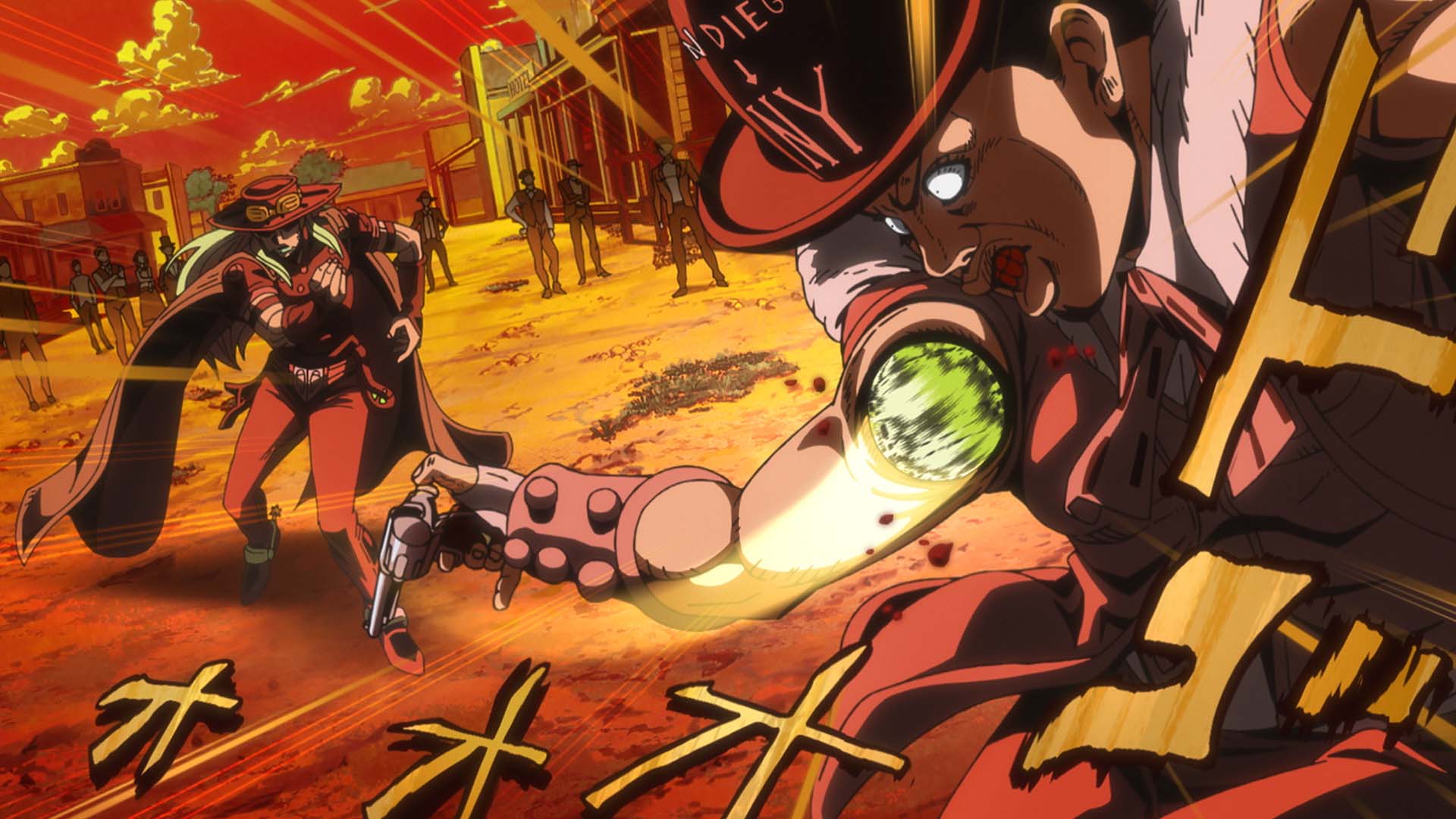
――「1st STAGE」では決闘も描かれました。西部劇では、侮辱された人物がすぐ銃を抜いて決闘するイメージがありますが、実際はどうだったのでしょうか?
西川:決闘そのものは、本当にありました。たとえば、後にアメリカ大統領となるアンドリュー・ジャクソンも、何度も決闘して、相手を死亡させたこともあります。奥さんの名誉などが絡んだ争いでした。後に大統領になるような人物でも決闘する時代だったわけですね。決闘の伝統自体はアメリカ建国当初からありますし、一定の手順も存在しました。ただし、アメリカ全土で共通する一つのルールがあったわけではありません。地域や階層によってルールは違っていました。
――決闘に至るまでにも、それなりの手順があったんですね。
西川:もちろん無法者同士が直接争うケースもありますが、「西部では誰もが突然、道の真ん中で1対1の早撃ちをしていた」といった単純なことではありません。面白いのは新聞です。当時のアメリカには地方新聞がものすごくたくさんありました。現代のように全国紙が広く読まれるというより、町ごとに地元の新聞があったんです。そこで互いの主張や悪口を新聞に載せ合って、名誉をめぐる争いが収まらなければ決闘へ進む、といったこともありました。
――新聞は、社会でかなり大きな役割を担っていたわけですね。
西川:当時の情報通信の要ですね。地元の商店や商品、町の出来事が載っていますし、すでに電信がありますから、田舎の新聞でもニューヨーク・シティで起きたことを比較的早く知ることができました。
『SBR』にも新聞の紙面が登場しますが、実はその一部では当時の英語表現を使って文面を構成しています。領収書や契約書についても同じで、当時、実際に使われていたものを参考にしながら、この時代ならどう書くかを考えていきました。
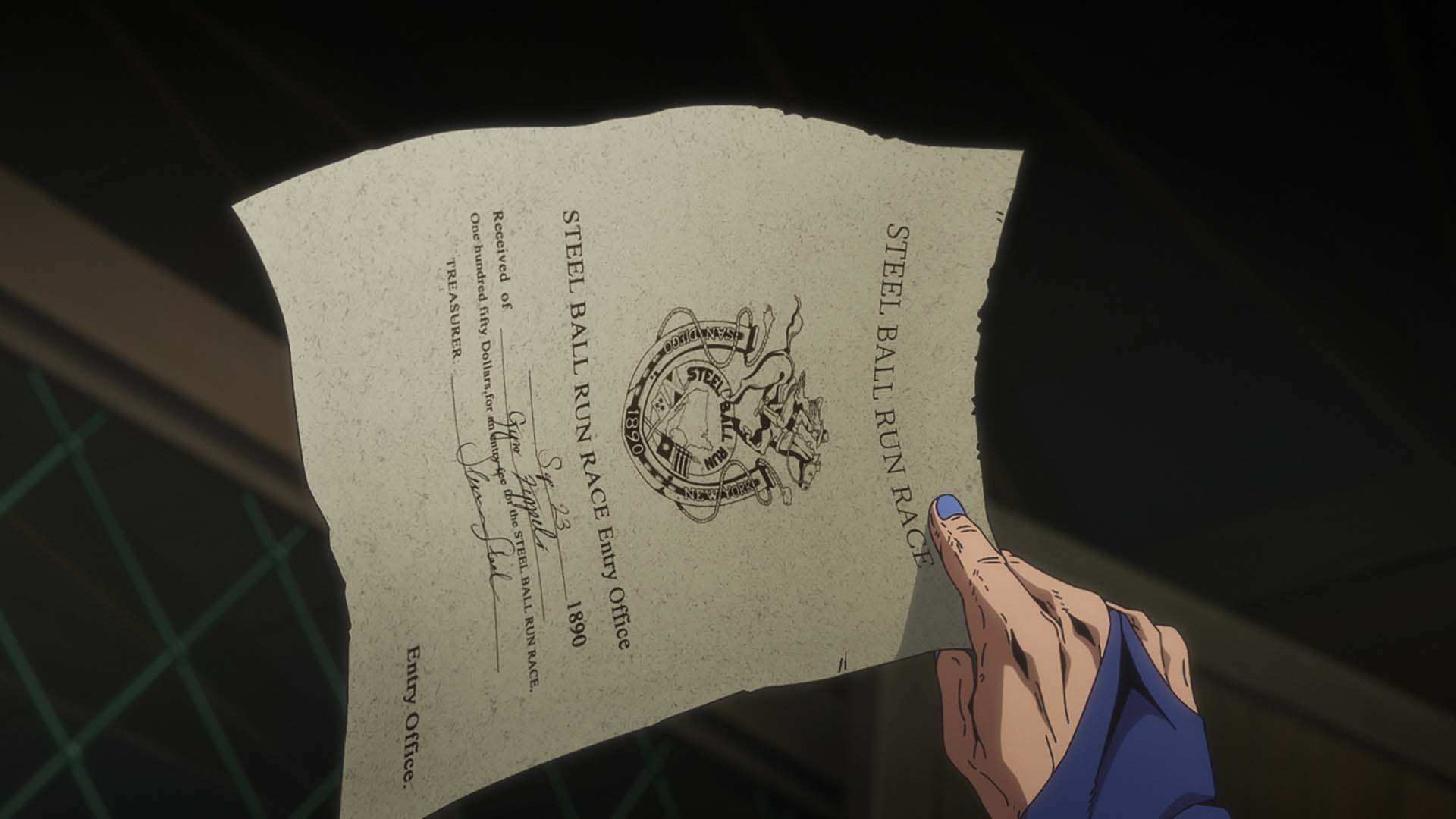
――「1st STAGE」のレース受付でも申込書や契約書が出てきましたよね。
西川:そうですね。もちろん、「北米大陸横断レースの参加申込書」そのものは当然ありませんから(笑)、同時代のさまざまな書類を参考にして、「この時代にこういう大会があったら、こういう契約書や領収書になっただろう」と組み立てています。
普通に見ていると気づかないと思いますが、画面を止めてみたら、「こんなことまで書いてあるのか」と内容がわかるかもしれません。そういうところまで見てくださる方がいたら、うれしいですね。
――このほか、「1st STAGE」で時代考証の観点から注目してほしいものはありますか?
西川:カメラは面白いと思います。ただ、考証する上では非常に難しかったんです。カメラ自体は存在していましたが、構造を調べれば調べるほど、現在のものとはシャッターもストロボもまったく違うんです。特にストロボは、「カシャ、ボン」のような爆発音がするんです。形も現代とは比較にならないくらい大型で、知らない方が見れば「何を持っているんだろう?」と思うかもしれません。でも、それが当時の撮影方法なんです。
しかも、当時のストロボはかなり煙と灰が出ます。場合によっては火事になるくらいです(笑)。そのままアニメで再現してしまうと煙で画面が見えなくなってしまいますから、そこは作品として調整されています。
――そこにも「史実をそのまま再現することが目的ではない」という考え方が表れていますね。
西川:そうですね。時代考証としては「実際にはこうでした」という情報をお伝えします。でも、それがストーリーや画面の中でどう使われるかは別の問題です。作品として魅力的に見せるために調整されることは当然あります。大切なのは、調整するにしてもわかった上でやることだと思います。
――そこまで細かいとなると、視聴者が一度見ただけでは気づかない要素も多そうです。
西川:でも、それでいいと思います。細かな部分が積み重なることで、なんとなく「この世界は本当に存在している」と感じてもらえれば、それが一番です。一方で、「これは実際の何を参考にして描いたんだろう?」と、調べてくださる方もいるそうなんです。この先のステージでも、いろいろな実在のものを参考にしていますから、そういう方は元ネタを見つけるという楽しみ方もできるかと思います。
――「2nd STAGE」以降は、レースもさらに進んで生き、アメリカのさまざまな土地を旅していくことになります。
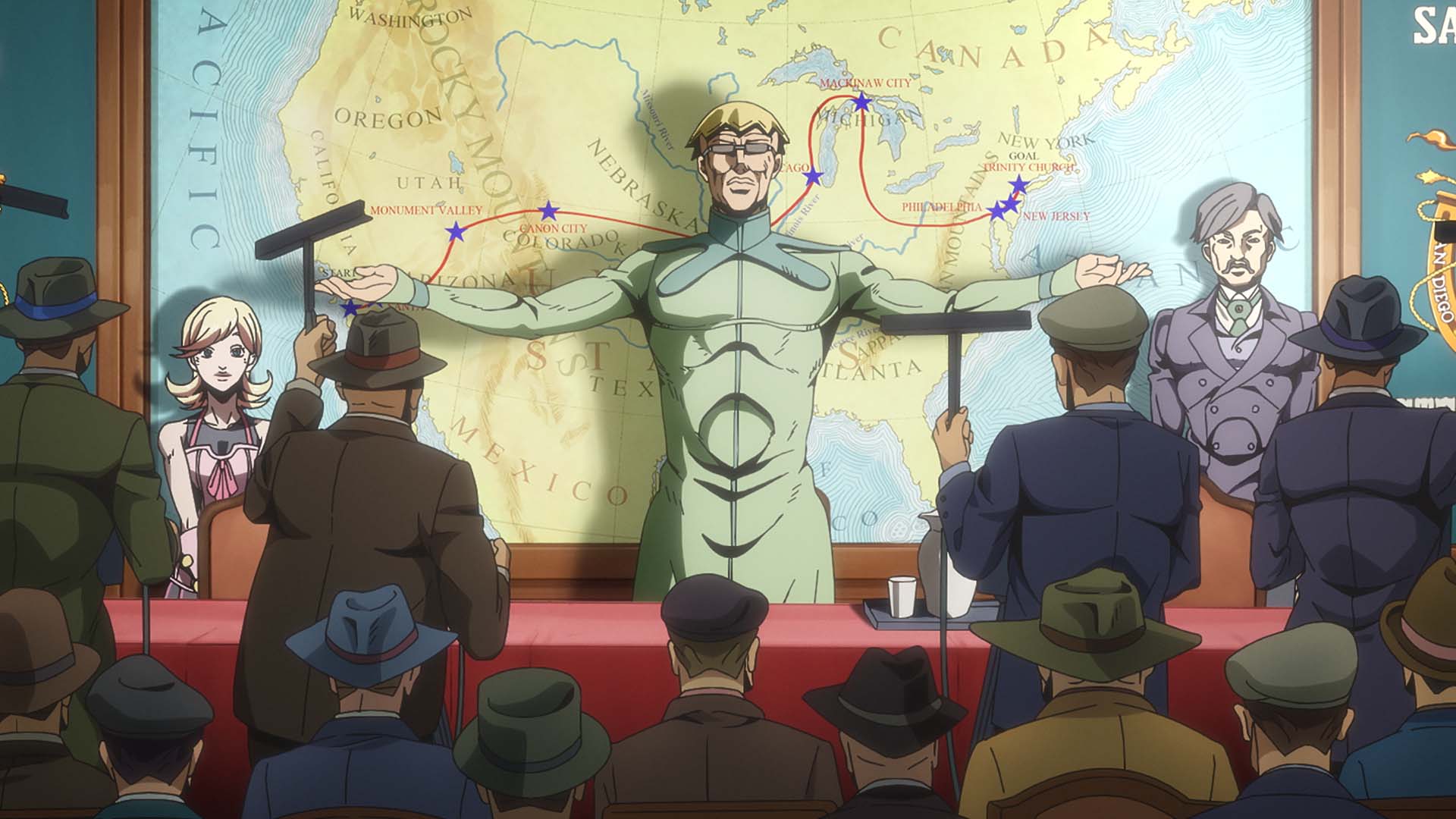
西川:ぜひ、アメリカ史という観点からも見ていただけたらうれしいですね。『SBR』は北米大陸を横断する物語ですから、場所が変われば風景も街も変わっていきます。その土地が当時どんな場所だったのか、画面の中にいろいろな要素が入ってくると思います。
最近はアメリカでも西部劇が少なくなっています。日本において時代劇が以前よりも少なくなったのと似ているかもしれません。ですから『SBR』をきっかけに、「アメリカの西部開拓の時代って面白そうだな」「1890年のアメリカをもっと知りたいな」と思う方が、日本だけでなく海外にも増えてくれたらうれしいですね。
ジョニィやジャイロたちの物語を楽しみながら、「この時代ってどんな時代だったんだろう」と少しでも興味を持っていただけたら、時代考証を担当した者としてこれほど幸せなことはありません。
Mail-order shopping, currency, duels—the reality of 1890 that lives in the details of the visuals
An interview series with the staff of STEEL BALL RUN JoJo’s Bizarre Adventure (hereafter “SBR”) has become to its second volume. This time, we interviewed Hidekazu Nishikawa, a Adjunct Lecturer, School of Foreign Studies, Osaka University, who is in charge of period research of SBR.
In the second half of the interview, we spoke with Nishikawa-san, who specializes in American history and U.S. presidential studies, about the historical background of STEEL BALL RUN. Topics included how closely the series aims to recreate period-accurate art and props, as well as what everyday life and social systems were actually like in America during the 1890s.
ー Were you also involved in researching background art and props?
Nishikawa: Yes. First, I read through all of the scripts and reviewed storyboards whenever necessary. Whenever I noticed something that would have been impossible for the period or simply did not exist at the time, I would point it out. As I've mentioned before, all decisions ultimately belong to the production team. My role is to provide historical information and, when needed, suggest what would have been realistically achievable with the technology of the era.
For the art and props, I was given lists of items that needed to be designed in advance. I reviewed them and supplied photographic references and historical materials. We researched everything from lamps and lighting fixtures to the appearance of towns and streets. For example, if a scene required a lamp, I would locate examples that actually existed during the period and provide reference material. The same approach applied to clothing, accessories, furniture, and other objects.
One particularly useful source is mail-order catalogs from the era.
ー There was already mail-order shopping in the 1890s?
Nishikawa: Absolutely. In fact, you could buy an astonishing variety of things. Clothing, accessories, sporting goods, and furniture were all available, but what surprises many people is that you could even order the materials for an entire house.
You would place an order and receive all the materials needed to construct a home.
Many of these catalogs still survive today, so they provide valuable insight into what products were actually being sold at the time. There is a scene later in SBR in which an item ordered through the mail is picked up in a different town. Mail-order shopping was much more familiar and commonplace than most modern audiences might imagine.
ー What about buildings and townscapes?
Nishikawa: For hotels and other structures, we often referenced photographs of actual buildings from the period.
One interesting example involves doors. In Japan, we're accustomed to sliding doors such as fusuma. However, horizontally sliding doors were not especially common in America at that time. These are the kinds of details people might unconsciously assume are universal, but they require careful consideration when recreating a historical setting.
Beyond architecture itself, I also provided materials covering topics such as road surfaces, whether streets had drainage grates, and how streetcars operated. We tried to consider every aspect of the physical environment.
ー Are there aspects of daily life that differ from modern perceptions?
Nishikawa: Hygiene and sanitation are particularly interesting. Flush toilets already existed, as did showers and bathtubs. In fact, many examples look surprisingly modern.
However, that mainly applied to wealthier households. Conditions were completely different in poorer areas. In tenement housing, for example, an entire block might share a single outdoor toilet.
Even within America in the 1890s, lifestyles varied greatly depending on location and social class. It's impossible to simply say, "This is what life was like in the nineteenth century," because experiences differed dramatically from one community to another.
ー Was people's sense of money very different from today?
Nishikawa: Very much so. Of course, there was no such thing as cashless payment. Physical currency, especially gold and silver coins, held enormous importance.
Paper money existed, but unlike today, there wasn't a single standardized type of dollar bill in circulation. Many different notes were used. As a result, people often had to ask themselves whether a particular bill could truly be trusted.
This was especially true in the West, where confidence in gold and silver coins remained strong. A merchant might charge one dollar if payment was made in coins, but one dollar and fifty cents if payment was made with paper currency.
ー When figures and amounts appear in the story, do you convert them into modern values?
Nishikawa: Not really. I generally provide information based on historical figures. For example, I might explain that a laborer of the period typically earned one, two, or three dollars per day.
Converting those amounts into modern values becomes complicated because purchasing power differs greatly. It's not as simple as saying, "This equals a certain amount of money today."
The same applies to measurements. Using the metric system extensively in 1890s America would feel unnatural. Director Yasuhiro Kimura felt the same way, so the anime primarily uses miles and other customary units. Those details help create the atmosphere of America in 1890.
ー1st STAGE featured a duel. Westerns often depict people immediately drawing their guns after being insulted. What was the reality?
Nishikawa: Duels absolutely did exist.
For example, Andrew Jackson, who later became President of the United States, fought multiple duels and even killed an opponent in one of them when he was younger. The dispute involved the honor of his wife. It was an era in which even someone who would later become president might participate in a duel.
The tradition dates back to the earliest years of the United States and involved established procedures. However, there was never a single set of rules shared across the entire country. Customs varied depending on region and social class.
ー So there was often a process leading up to a duel?
Nishikawa: Certainly. While outlaws sometimes fought each other directly, the popular image of everyone in the Wild West suddenly engaging in one-on-one quick-draw shootouts in the middle of the street is a vast oversimplification.
One especially interesting factor was newspapers. America had an enormous number of local newspapers. Rather than relying on national papers, towns often had their own publications. Rivals might exchange accusations and insults through newspaper articles, and if disputes concerning honor remained unresolved, a duel could follow.
ー Newspapers clearly played an important role in society.
Nishikawa: They were the backbone of information and communication. Newspapers carried local news, advertisements, and community updates. Because telegraphs already existed, even rural newspapers could learn about events happening in New York City relatively quickly.
Newspapers appear in SBR, and in some cases we actually incorporated authentic English expressions from the period. I helped draft part of that text. The same applied to receipts and contracts. We studied genuine historical documents and considered how such materials would have been written at the time.
ー Applications and contracts appeared during the race registration scenes in 1st STAGE.
Nishikawa: Yes. Obviously, no actual registration forms for a transcontinental horse race exist. (Laughs.)
Instead, we examined various documents from the era and asked ourselves: If a race like this had really taken place, what would its contracts and receipts have looked like?
Most viewers probably won't notice those details at first glance. But if you pause the screen and read closely, you may discover just how much information is actually written there. I'd be delighted if people took the time to look.
ー Are there any other details from 1st STAGE you'd like viewers to pay attention to?
Nishikawa: Cameras are particularly fascinating. They were also one of the most difficult things to research.
Cameras already existed, but the more closely you study them, the more you realize how different they were from modern equipment. Shutters and flash systems operated in completely different ways. Early flash photography could even produce what sounded like a small explosion.
The equipment was also enormous compared to modern cameras. Viewers unfamiliar with the technology might wonder what the characters are carrying, but that was simply how photography worked at the time.
What's more, those flashes produced a tremendous amount of smoke and ash. In some cases they were even considered a fire hazard. Of course, if we recreated that completely accurately, the screen would fill with smoke, so adjustments were made for the sake of the anime.
ーThat reflects the idea that the goal isn't simply to reproduce history exactly as it happened.
Nishikawa: Exactly. My job as a historical researcher is to explain what was actually true. Deciding how that information is used within the story or on screen is a different matter.
Adjustments are often necessary to make the work more engaging as entertainment. What's important is that such decisions are made with a full understanding of the historical reality behind them.
ー As the race continues in later stages, the characters will travel across many different parts of America.
Nishikawa: I hope viewers will also enjoy the series from the perspective of American history.
STEEL BALL RUN is a story that crosses the North American continent. As the locations change, so do the landscapes and towns. Many details reflecting those regions and their historical circumstances will appear throughout the series.
Westerns have become less common even in America today, much like how period dramas are less prominent in Japan than they once were. If SBR inspires people, both in Japan and abroad, to think, "The era of western expansion seems fascinating," or "I'd like to learn more about America in the 1890s," that would make me very happy.
If viewers can enjoy Johnny and Gyro's journey while developing even a small curiosity about the world they lived in, there could be no greater reward for someone involved in historical research.